
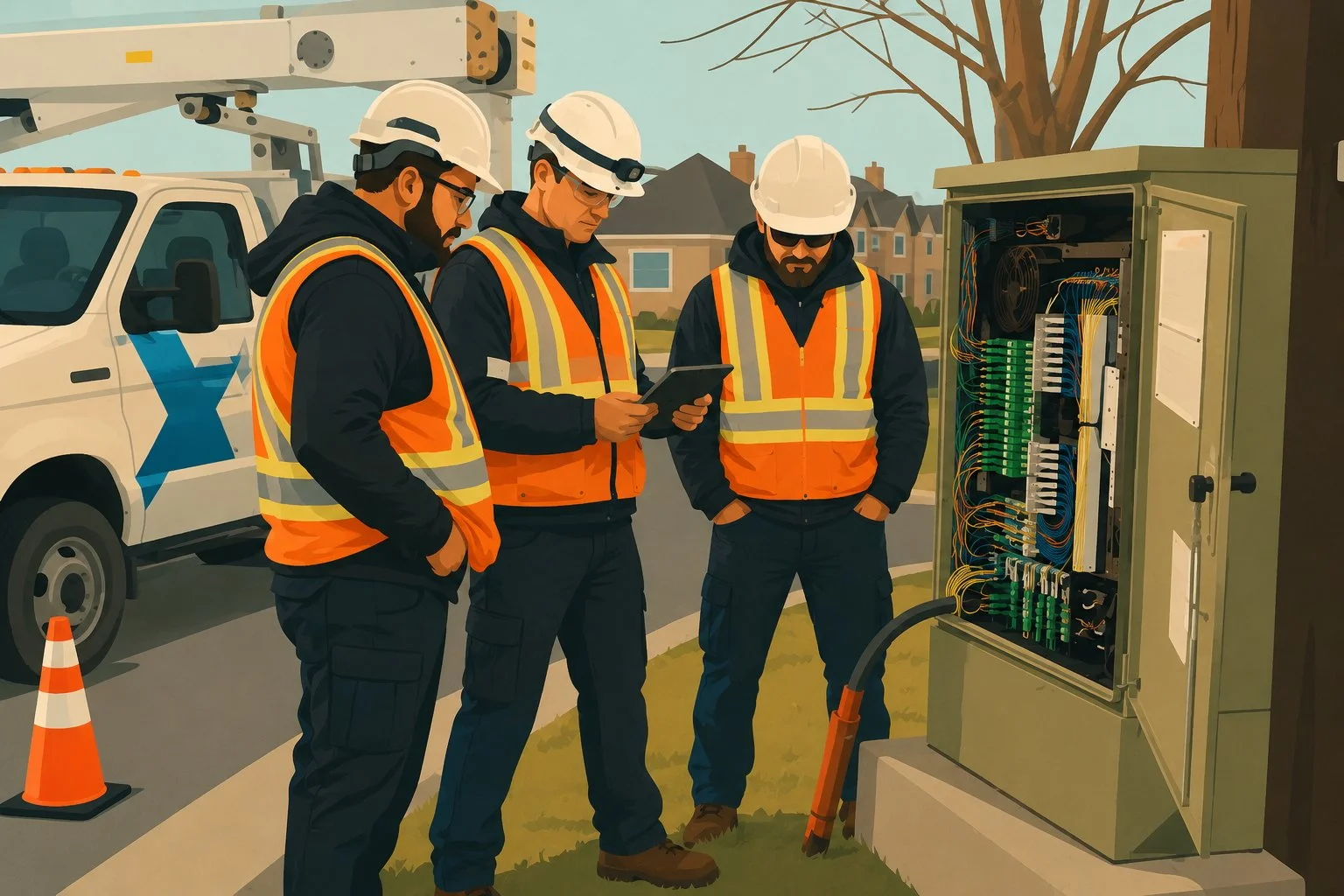
Before You Cut a Fiber, Do You Know Who It Will Affect?
A team needs to replace a piece of equipment, move a fiber, carry out preventive maintenance, or upgrade a section of the network. The intervention is planned. The schedule is set, the technicians are assigned, everything seems under control.
Yet one essential question remains: who will be affected by this work?
In some cases, the answer is simple. In others, it is far more complex, because a fiber optic network is not a collection of independent assets. It is a set of connections where every piece of equipment, every cable, and every fiber can have an impact on several other elements of the network.
To manage such an interconnected network effectively, it is not enough to know where the assets are located. You also need to understand the connectivity that links them and the dependencies that result from it.

Your Network Already Has the Answers. Why Are They So Hard to Find?
Picture a massive library, full of books, but with no organizing system at all. No catalog, no sections, no index. The book you're looking for exists. But what good is it if it takes you three hours to find it?
That's exactly what happens in a lot of fiber networks. The information is there, somewhere, scattered across a spreadsheet, a PDF map, a shared folder, a handful of photos taken in the field, and the memory of two or three employees who have worked there for fifteen years. Nothing is lost. But nothing is really organized either.
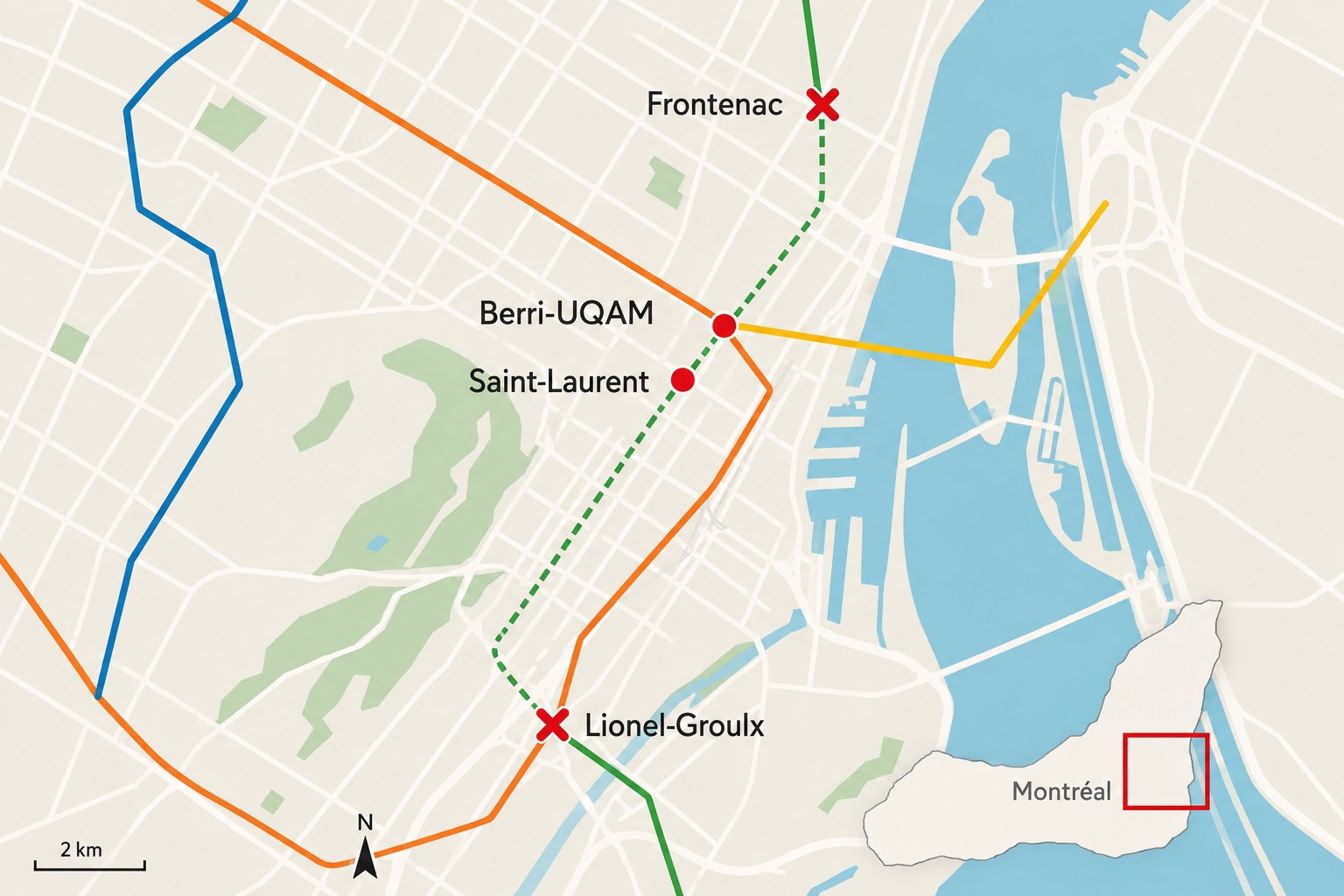
Is Your Network Ready for the Next Outage?
An outage isn't a matter of "if." It's a matter of "when."
A fiber cut during roadwork. A pole damaged by a storm. Faulty equipment. Human error. Even the best-built networks eventually face an incident.
The difference doesn't always come down to network quality. It often comes down to how quickly the organization understands what's happening and acts on it.
When an outage hits, teams rarely have hours to analyze the situation. Every minute counts.

Are You Really Harvesting the Data Your Field Teams Produce?
August is the harvest season.
Farmers spend months preparing their fields, watching the weather, adjusting their practices. Then comes the moment to harvest the fruit of all that work. But imagine for a second that after a full growing season, a farmer decided to let the crops rot in the field. No one would do that on purpose; it sounds absurd.
Yet that's exactly what happens in a lot of fiber networks.
Every day, your field teams gather an impressive amount of information: photos, measurements, observations, network changes, plan corrections. But once the work is done, that data often gets stuck in an email, a phone, a notebook, or a spreadsheet forgotten on someone's desktop. Like a harvest left to rot instead of being gathered and stored.
The question to ask yourself is simple: are you really harvesting the data your teams produce every day, or are you letting it rot in the field?
Your Network Has Grown Over the Summer. Have Your Methods Grown Along With It?
During the summer, your network never takes a break.
New customers are being connected, work is progressing, equipment is being added, and every field service call generates new data. When September rolls around, many organizations realize that their network is simply larger than it was before the summer break.
That's great news.
But this raises a question we don't always want to ask ourselves: Have your management methods kept pace with your infrastructure?
Because when a network grows faster than the tools used to manage it, cracks begin to appear. Scattered information. Incomplete documentation. Difficulty finding specific data. And that all-too-familiar reliance on the person who “knows it all.”
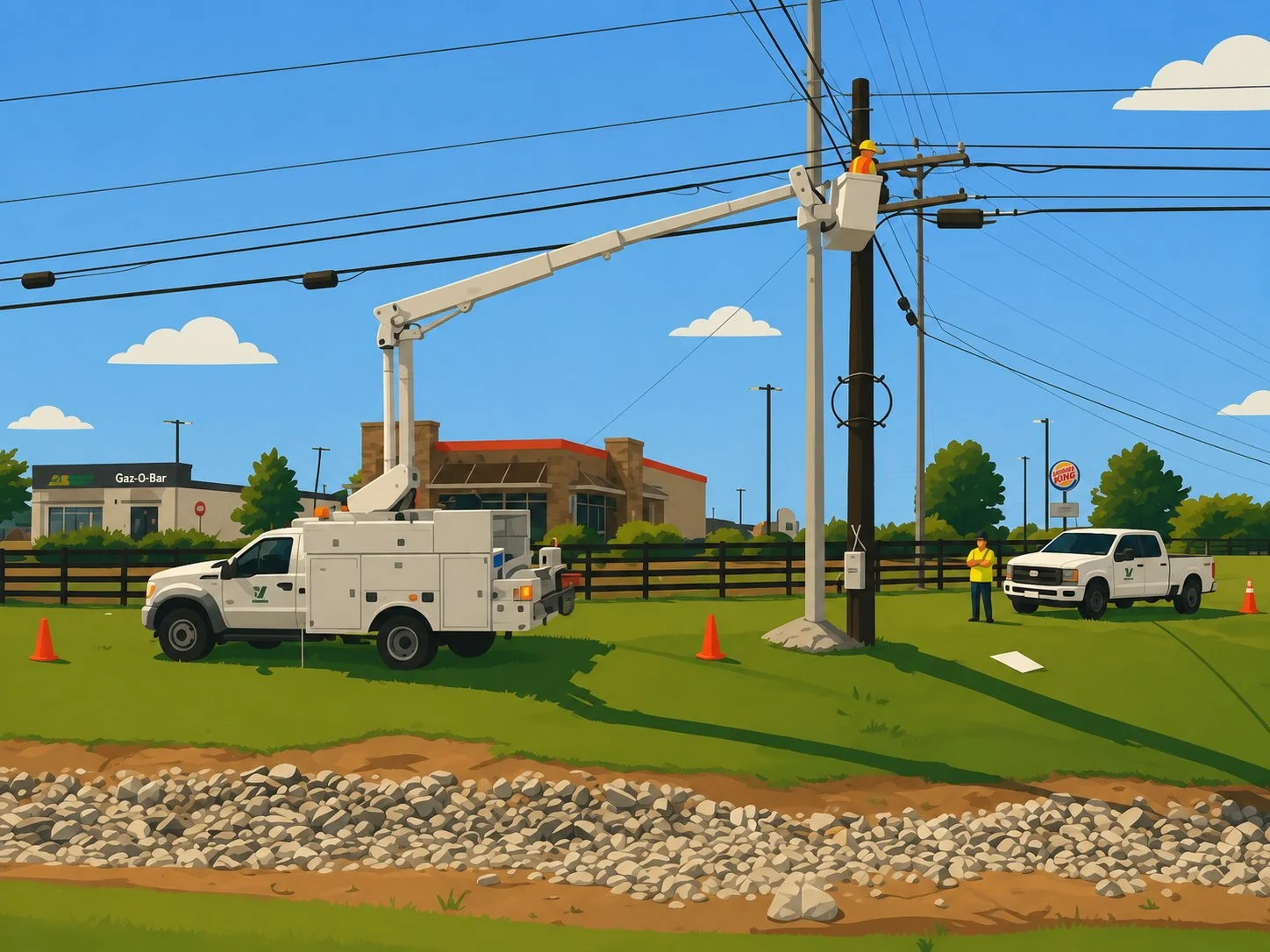
The Return to Construction Sites: 6 Checks to Make Before Sending Field Teams Back to Work
The first Monday back after the holidays. The coffee is still hot, the inbox is overflowing, and somewhere out in the field, a technician is waiting for instructions for his first call of the day. That’s where it all comes down to: either he’ll leave with a clear picture of the network, or he’ll waste his morning trying to make sense of conflicting information.
Here are the six checks you should perform before bringing your teams back to work, and how the Zonedge platform helps you avoid having to learn the hard way.

Managing a fiber network is a bit like hosting a barbecue
Have you ever hosted a barbecue? You plan it weeks in advance. The guest list is set, the case of beer is ordered, and you know who’s vegetarian. On paper, it’s perfect.
And then the guests start arriving. Someone brought people you didn't know. Your sister-in-law's cousin doesn't eat gluten. A kid knocked over the tray of skewers. And now you're out of charcoal.
Managing a fiber network is kind of like that, too!

Why Managing a Network Is Like Hiking in the Mountains
Have you ever set out on a mountain trail without checking the map first? Five kilometers down the road, you realize that the lake you were looking for is on the other side of the pass. It’s the same with fiber optic networks. Except that the detour, in this case, is measured in hours of technician time, customers without service, and explanations to the CEO.
Hiking and network management have more in common than it seems. Both reward those who prepare themselves. Both punish those who improvise.

What Camping Can Teach You About Managing a Fiber Network
Have you ever arrived at a campground on a Friday night, after a two-hour drive, only to realize you forgot the corkscrew? Or the flashlight? Or, the classic, the tent stakes?
All things considered, it's not the end of the world. You improvise, you figure it out, you borrow from your neighbor's site. But when you're managing a fiber network, if you're missing a critical piece of information at 11 p.m. on a Sunday, you don't have a neighbor to turn to.

Tour de France: Field Data, the Competitive Edge
The Tour de France teams don’t show up on their bikes on race morning without having studied every turn, every climb, and every cobblestone the day before. Some send riders out on reconnaissance weeks in advance. They map out the cobblestone sections of Flanders, the technical descents of the Alps, and the deceptively flat stretches in the Pyrenees that break the legs. They know exactly where the legs will burn, where an attack can be launched, and where a gap will open up. That on-the-ground knowledge is their advantage, even before they’ve started pedaling.
It's the same with a fiber optic network. If you don't know what's actually underground, you're flying blind. And when it breaks, you're the one who pays for it.

What Wimbledon and Fiber Optics Have in Common
The grass at Wimbledon is cut to 8 millimeters. Not 7, not 9. 8. The team responsible for maintaining the courts spends weeks preparing the surface before the tournament’s first serve. Every blade of grass is measured, every area monitored, and every imperfection corrected before it really matters.
That's exactly how the best fiber network operators manage their infrastructure. Not after an outage. Before.

When your fiber network moves as fast as the July 1st moves
July 1 is like a coordinated earthquake. Thousands of people change their addresses all at once. Some buildings empty out, while others fill up. For a fiber optic provider, it’s the worst possible perfect storm: explosive demand, infrastructure changing by the minute, and zero room for error.
Your team is receiving fifty requests for fiber connections. At the same time, customers are moving out of their addresses. Densely cabled buildings are emptying out. And what about your network plan? It’s probably a hodgepodge of Excel files, field notebooks, and scattered emails. Chances are it won’t match reality anymore by July 2.
Contractors and Clients: How to Better Coordinate As-Built Drawings During the Construction Season
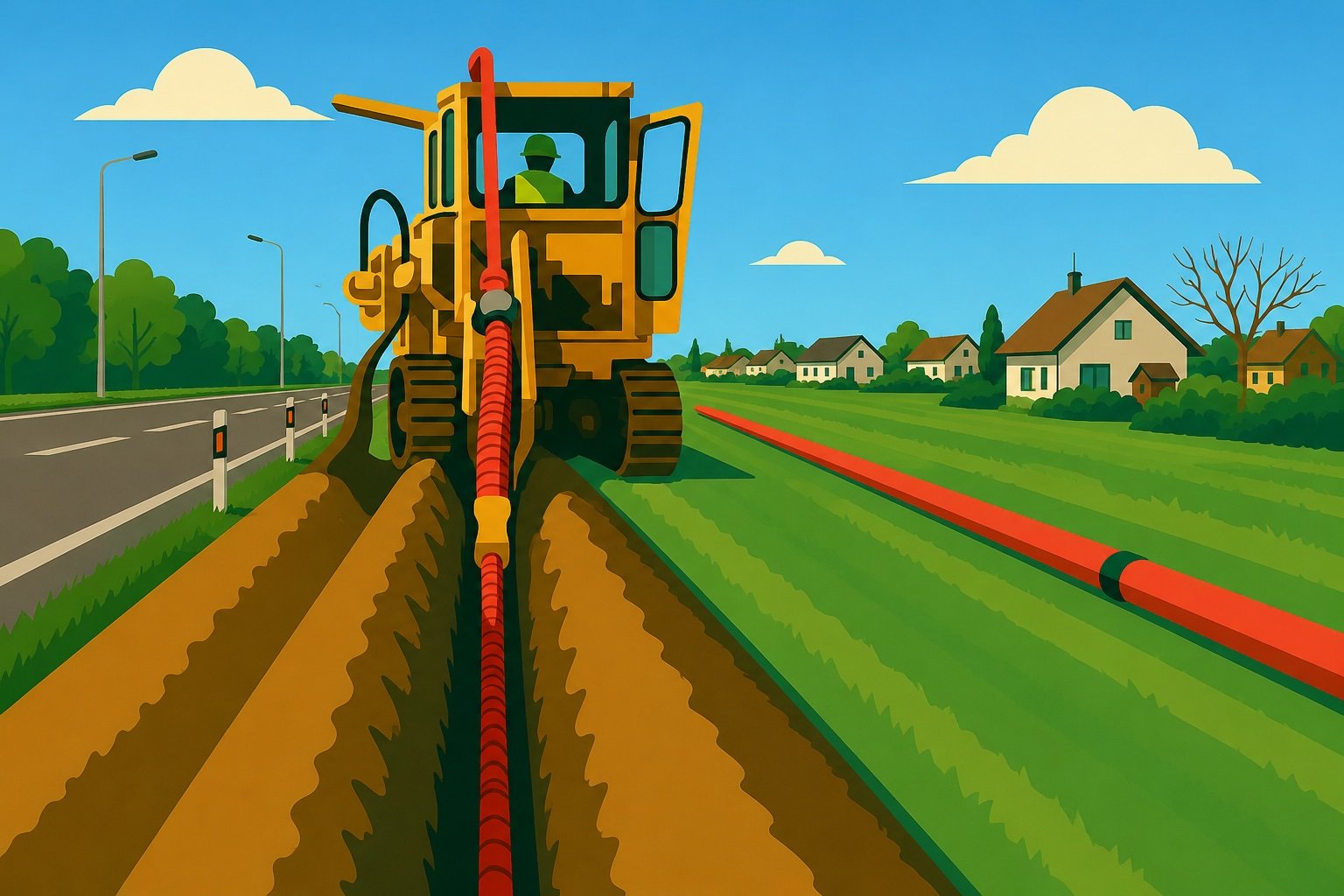
You're launching ten construction projects in June. The engineering firm releases the plans. The subcontractors start digging. And then, someone has to make sure that what's been installed underground ends up being documented, correctly, in the right place, and in the right format.
In theory, it's stipulated in the contract. In practice, the as-built drawings arrive late, are incomplete, or are in a format that your GIS system can't process.
It's the classic problem of construction season: everyone is building quickly, but no one is documenting the progress in real time.

Why an AutoCAD drawing is no longer enough to manage a fiber-optic network
Have you ever looked up information on a specific section only to find that the on-call technician has one version of the plan, engineering has another, and operations is working with yet another document? Everyone has “the right file.” No one has the same data.
It's not a problem with the quality of the artwork. It's a structural issue.
An AutoCAD drawing may be flawless, up-to-date, and detailed down to the millimeter. It is still just a drawing. And a drawing, no matter how good it is, cannot replace an operational database.
That is precisely the difference between AutoCAD and Zonedge.

End-of-year exams, fiber optic projects: it takes the same level of focus
Have you ever noticed? In May and June, two completely different worlds are caught up in the same rush. At school, students are poring over their class notes. At the network operators, it’s the final sprint before summer arrives and the excavators roll out of the garage.
End-of-year exams and major fiber-optic projects have nothing in common, except that they share one harsh truth: if you don’t prepare beforehand, things are going to go really badly afterward.

2026 World Cup: Zero human error, zero red cards on your fiber network
Have you ever watched a World Cup match where a referee’s call changed everything? A missed foul, an offside that went unnoticed, a bad call that cost a team the final. That moment when you yell at the screen, realizing the match was decided by human error at the worst possible time.
Here's the bad news: in the field, you can't just yell at the screen. You have to deal with the consequences.
Manual errors in your network documentation, a poorly located merge, a junction box thought to be somewhere else, a cable depth recorded incorrectly, it’s like your referee calling a foul that doesn’t exist. Except the game is your credibility with your clients. And the red card means you’ve lost.

You are not just a "user" of the digital twin, you are an essential contributor
Today, we’re going to talk about something that has really changed the way we think at Zonedge. You know, we often use the word “users” to refer to people who use software. But honestly? We think we’ve been wrong all along.
You're not just a "user." You're an essential contributor to the intelligence of a living system.
That’s really how it works when your organization deploys a digital twin of its network. Everyone on your team plays a crucial role in this process.

Why Documentation Pays Off (Literally)
A true story that really stings. A municipality cut its own fiber optic cable during roadwork. The cost of the blunder? $75,000 in emergency repairs, not to mention three days without service for 500 customers. And do you know why it happened? No one knew the fiber ran through there. The plan existed, somewhere. A file cabinet? A desk? But no one knew which one. No centralized system. No single source of truth. Just administrative chaos with a very high price tag.
This story isn't the exception. It's the rule when documentation is lacking. And the consequences? They go far beyond a single unfortunate breakdown.
Let's talk numbers, because that's what gets managers' attention. Because, contrary to popular belief, documentation isn't just an administrative burden. It's a financial investment that pays off immediately.

Stop searching, start finding
Have you ever spent twenty minutes scrolling through a 140-page PDF just to find a cable number? Or opened a CAD file that takes forever to load, only to realize the drawing is from before the last renovation? That’s wasted time. Not just a little, but a lot. And in this line of work, time wasted searching is time not spent solving the real problem.
Zonedge is based on a simple premise: the information is already there in your network. What’s missing is a way to find it quickly.
3 Signs That Your Field Team Is Missing Critical Information
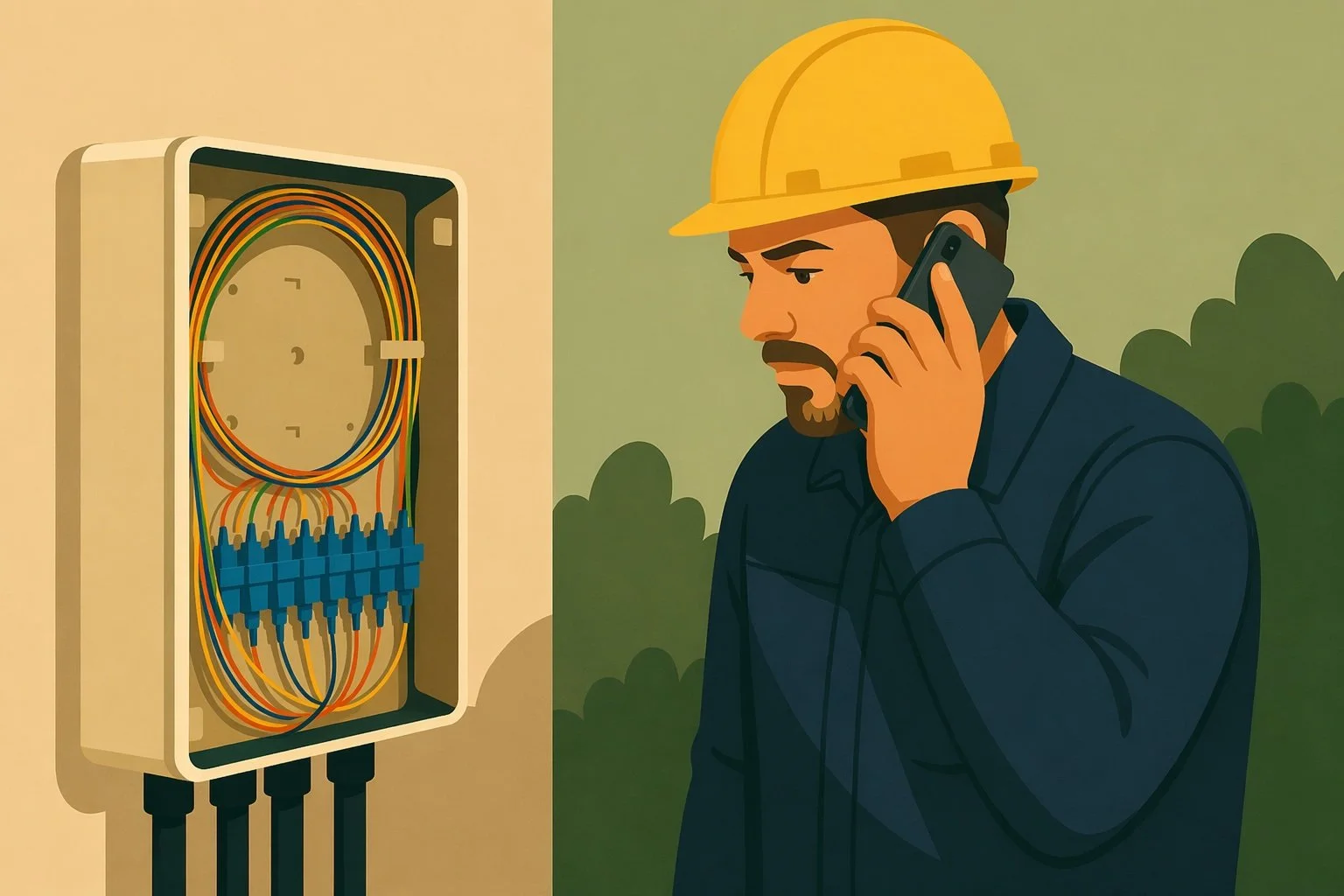
If you've ever watched your technicians spend 20 minutes hunting for a splice enclosure's address, flipping through an old laminated binder, or having to turn back because they ended up at the wrong spot, you've likely spotted a problem. But what often goes unseen is all the time wasted behind the scenes and the money that just disappears.
At Zonedge, we’ve spoken with hundreds of network managers across Canada, and we’ve noticed a recurring pattern: field teams are working with one hand tied behind their backs. Not because they’re incompetent, your technicians know what they’re doing, but because they don’t have access to the right information at the right time and in the right place.
Here are 3 signs that should set off alarm bells. If you recognize one or two of them, it’s time to take action.