
The Return to Construction Sites: 6 Checks to Make Before Sending Field Teams Back to Work
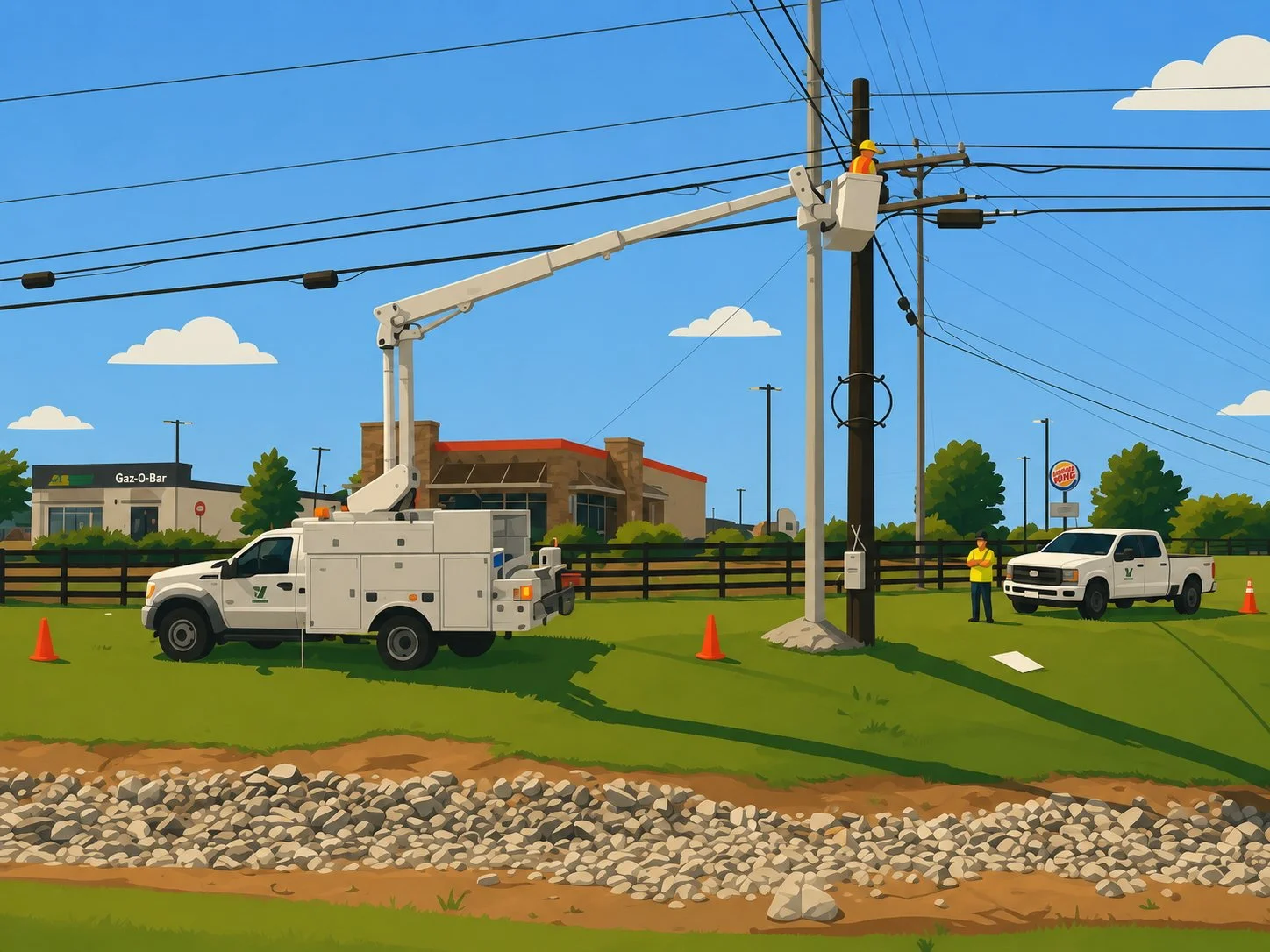
The first Monday back after the holidays. The coffee is still hot, the inbox is overflowing, and somewhere out in the field, a technician is waiting for instructions for his first call of the day. That’s where it all comes down to: either he’ll leave with a clear picture of the network, or he’ll waste his morning trying to make sense of conflicting information.
Here are the six checks you should perform before bringing your teams back to work, and how the Zonedge platform helps you avoid having to learn the hard way.
1. Is the network documentation up to date?
Some work was done right before the break. Do the plans reflect that? Were the temporary changes noted anywhere, or are they only in the mind of the person who made them?
A team that heads out into the field with an outdated plan doesn't realize it right away. They find out when they go looking for a fuse box that's no longer where the PDF says it should be.
With Zonedge, every field update is automatically synced to the centralized network. When a technician documents a service call in June, that information doesn’t get lost in some forgotten file, it’s already included in the plan your team refers to in July.
2. Are the pending projects and initiatives clearly defined?
Two weeks is all it takes for an urgent ticket to fall through the cracks. Which projects are still open? Which tasks have been put on hold without us knowing why?
Coming back from vacation isn't the best time to find out that a high-priority task has been sitting unaddressed since June 20. With follow-up scattered across emails, text messages, and personal notes, this discovery always comes too late.
Zonedge centralizes the status of each project in one place. Your team can see exactly what’s in progress, what’s a priority, and what’s awaiting a response. No one has to dig through three email inboxes to find the thread.
3. Is the inventory up to date?
A team that has to travel for a job and runs out of connectors ends up paying a high price. Not just in terms of equipment, but also in lost time, travel back and forth, and frustration.
Are the necessary cables available? Are the enclosures in stock at the right location? These are the kinds of details that are easily overlooked when the focus is on resuming operations rather than on supplies.
Zonedge links inventory directly to scheduled service calls. Before sending a technician out on a call, you already know whether the necessary equipment is available. No surprises, no trucks driving back empty.
4. What is the impact of external construction projects?
While you were on vacation, municipal construction projects kept going. An excavator never takes a day off.
Have new roadwork projects started near your infrastructure? Is there an area where a construction crew might accidentally hit a utility pole? Damage caused by third parties remains one of the most common causes of network incidents, and while a utility pole struck by a vehicle in a small town never makes the news, it still cuts off service.
With Zonedge, you can easily cross-reference high-risk areas with ongoing external projects. You can identify vulnerable sections before an incident forces you to react in a rush, rather than after the fact.
5. Are the teams' access rights and tools working properly?
Returning to work often comes with its share of minor administrative glitches. A deactivated account. A tablet that hasn't been synced in two weeks. A field app that's still displaying data from June.
The first hurdle of the day should never be a forgotten password.
Zonedge keeps teams continuously synchronized with the platform. A technician who logs in in the morning sees the most recent data, not the data from before the holidays. Access remains active and consistent, without anyone having to check each account individually.
6. What is the current status of network connectivity?
Before building or repairing anything, you need to know where you stand. Are the critical fibers still available? Are the backup routes still functional? Are there any unresolved incidents anywhere in the system?
This is the question that sums up all the others: without a reliable picture of the network's current state, every decision is made half-blind.
The Zonedge platform provides this overview at a glance. Your team walks away with a clear picture of the network, not with assumptions based on what was true two weeks ago.
Six checks, one goal: to ensure that teams return to work based on reliable data rather than assumptions. A well-documented network doesn't make vacations any shorter. It just makes Monday mornings a lot less complicated.
Want to see what this looks like in practice for your team? Request a demo of Zonedge, and we’ll show you how a well-documented network can change your Monday morning, not just in theory.
